
Novels & short stories
Virginia Woolf
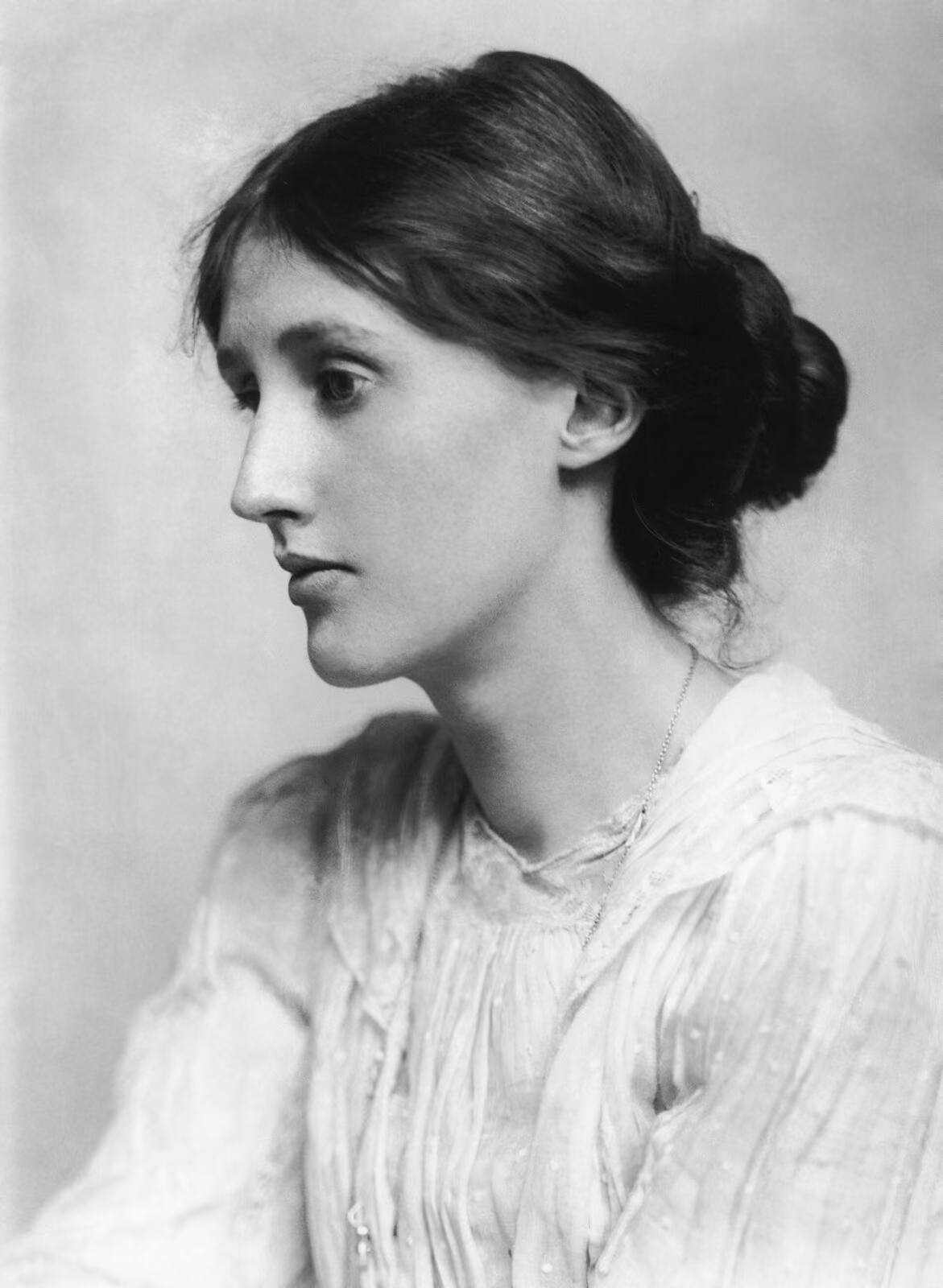
English novelist of the Bloomsbury Group, author of Mrs Dalloway and A Room of One's Own, a key text of feminist criticism.
Biography
Virginia Woolf printed her own books. In 1917 she and her husband Leonard set up the Hogarth Press, a small publishing house that went on to publish much of her work. She lived between London and Sussex, at the centre of the Bloomsbury Group of writers, artists and thinkers, which included her sister, the painter Vanessa Bell.
Her novels of the 1920s follow characters from inside their heads, in what is called stream of consciousness. Mrs Dalloway (1925) covers a single day in the life of a society woman in London after the First World War. To the Lighthouse (1927) draws on her childhood summers at St Ives in Cornwall, looking out at the Godrevy lighthouse. Orlando (1928), inspired by the writer Vita Sackville-West, follows a hero who lives through several centuries and changes sex along the way.
In 1928 she gave two lectures at Cambridge on women and fiction. They became A Room of One’s Own (1929), with its famous line that “a woman must have money and a room of her own if she is to write fiction”. In it she invents Shakespeare’s sister, just as gifted as he was, and shut out of everything.
Read the essay first, then Mrs Dalloway, which is shorter than its reputation suggests. After several serious breakdowns, Virginia Woolf drowned herself in the River Ouse near her home in Rodmell in 1941.
Read
- Mrs Dalloway
- To the Lighthouse
- Orlando
- A Room of One's Own